Golden Retriever Puppy Socialization and Early Training Foundations
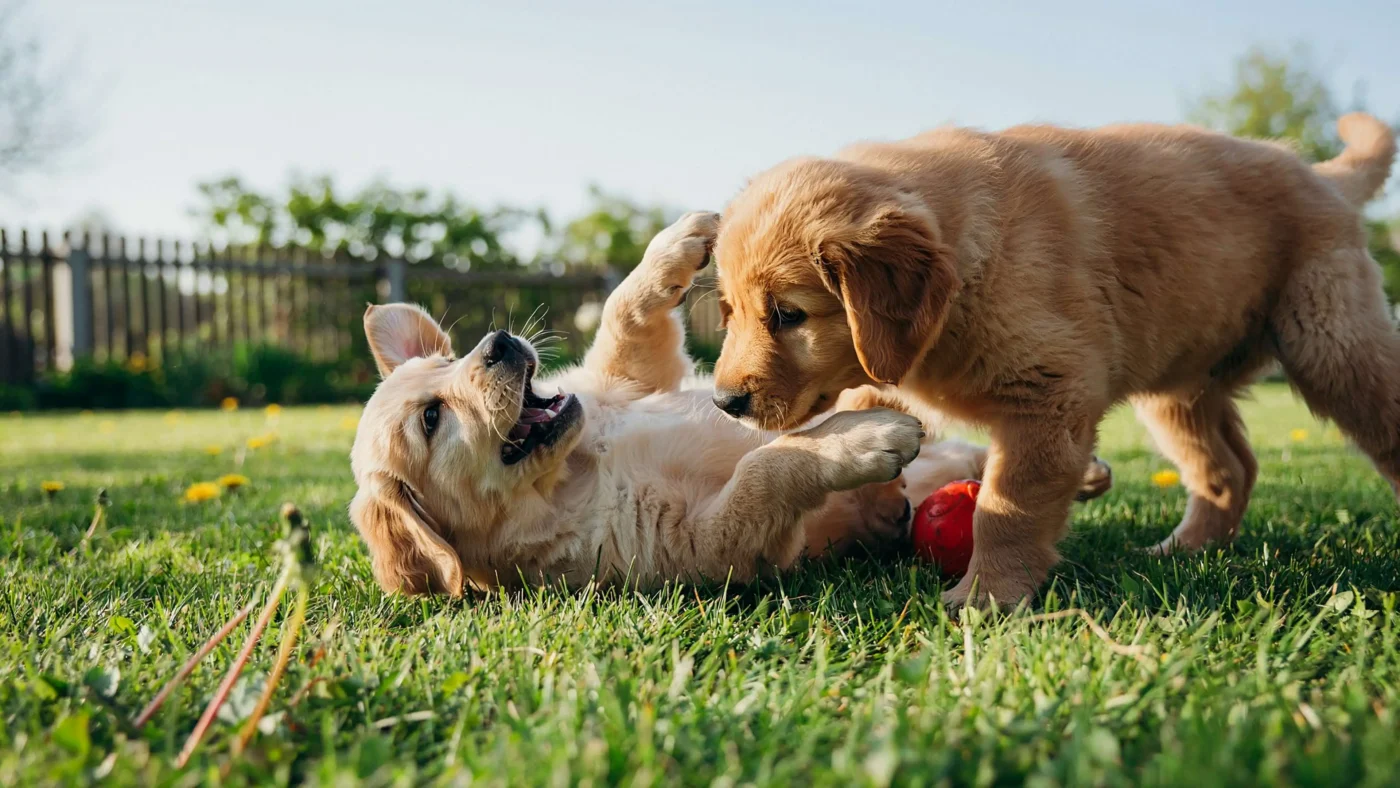
Help your puppy learn about everyday life through experiences they can manage. Work with your veterinarian and a qualified trainer to choose safe settings and a pace that suits the individual puppy.
Discuss exposure and health together
The American Veterinary Society of Animal Behavior publishes puppy socialization guidance alongside its training statements. Ask your veterinarian how your puppy’s vaccination history, health, and local disease risks affect the settings you can use.
Talk about puppy classes, household visitors, resident animals, walking routes, and grooming introductions. A professional can help you balance learning opportunities with precautions for the puppy’s stage of development.
Keep new experiences manageable
Introduce a sound, surface, handling step, or person at a level the puppy can cope with. Give the puppy room to pause or move away. A trainer can show you how to watch body language and change the experience when the puppy needs less pressure.
LiveOak introduces puppies to household sounds, surfaces, daily handling, and age-appropriate experiences. Continue learning about your own puppy after homecoming instead of assuming a permanent personality from early observations.
Use reward-based methods
AVSAB recommends reward-based methods for dog training and behavior modification. Reward the behaviors you want to encourage and use household management to prevent situations the puppy is not ready to handle.
Choose a trainer who explains their methods, how they respond to fear, and what you can practice between sessions. Ask how they tailor instruction to your puppy rather than expecting the same response from every dog.
Choose a class you can understand
Ask the instructor how they review vaccination information, clean the setting, organize puppy interactions, and support puppies who need more space. Discuss how size, confidence, and play style affect group activities.
Watch for learning opportunities beyond play: settling, attention, gentle handling, and household skills. Ask how to continue those exercises at home.
Keep asking as your puppy grows
Your dog’s responses can change with age, health, environment, and experience. Contact a veterinarian or qualified behavior professional with concerns about fear, aggression, or sudden changes.
Continue short practice sessions and revisit familiar skills in settings the dog can manage. Keep training part of your shared routine and ask for help when your plan needs to change.
Sources and further reading
Our first-week guide helps you organize rest, supervision, and the initial veterinary visit.